Back pain is probably the single most common thing that brings people through my door who haven’t had acupuncture before. Most people have tried the obvious things first, a bit of stretching, painkillers when it’s bad, and when none of that quite fixes it, acupuncture tends to be the next thing they look into.
The pattern I see most often is someone who’s been dealing with it for months, sometimes years, and has more or less made peace with it being “just how their back is now.” Then they come in, we do a course of treatment, and they’re surprised at how much it settles.
Why back pain hangs around
Most back pain isn’t caused by one thing. It’s rarely a single injury that never healed. More often it’s a slow build, sitting for long stretches, one side of the body compensating for the other, old tension that never fully released after a stressful period, or a nervous system that’s been on high alert for so long the muscles around the spine just won’t let go.
Chronic pain and a wound-up nervous system feed each other. The tighter and more guarded the muscles get, the more the brain treats that area as a threat, and the more it protects it by staying tight. It becomes its own loop, and stretching alone often can’t break it because the issue isn’t just the muscle, it’s the signalling. This is the same pattern I see with sciatica and with disc-related pain, the nerve irritation keeps the surrounding muscles guarding, and the guarding keeps aggravating the nerve.
This is where acupuncture tends to do something that a lot of other approaches don’t quite reach. It works on the nervous system directly, which is often what’s keeping the whole pattern locked in place.
What the research shows
Several reviews have found that acupuncture gives improvements in both pain and function for chronic low back pain. NICE, the UK’s clinical guidelines body, has previously listed a course of acupuncture as a reasonable option for persistent low back pain based on this evidence.
What happens in a session
If you’ve never had acupuncture for back pain, there’s usually a bit of surprise the first time round. I’ll often use points directly around the area that’s sore, but also points further away, hands, feet, sometimes nowhere near the back at all, because a lot of what’s driving the tension is the nervous system as a whole, not just the local muscle.
Most people feel a heaviness or warmth spreading through the area within the first few minutes, and it’s common to feel noticeably looser by the end of the session, sometimes lightheaded in a good way, like the whole system has just been allowed to switch off for half an hour.
It’s rarely one and done. A course of treatment tends to give the body a chance to actually unlearn the guarding pattern rather than just get temporary relief, which is really the difference between it wearing off in a day and it holding.
When it’s worth trying
If your back pain has been going on for more than a few weeks, isn’t improving with the usual things, or keeps coming back even when you’re doing everything “right,” it’s worth a look. It also tends to pair well with whatever else you’re already doing, physio, movement work, seeing your GP.
The main thing I’d say is don’t wait until it’s completely unmanageable before trying it. The people who tend to get the quickest, clearest results are often the ones who come in while it’s still a nuisance rather than after it’s taken over their whole day.
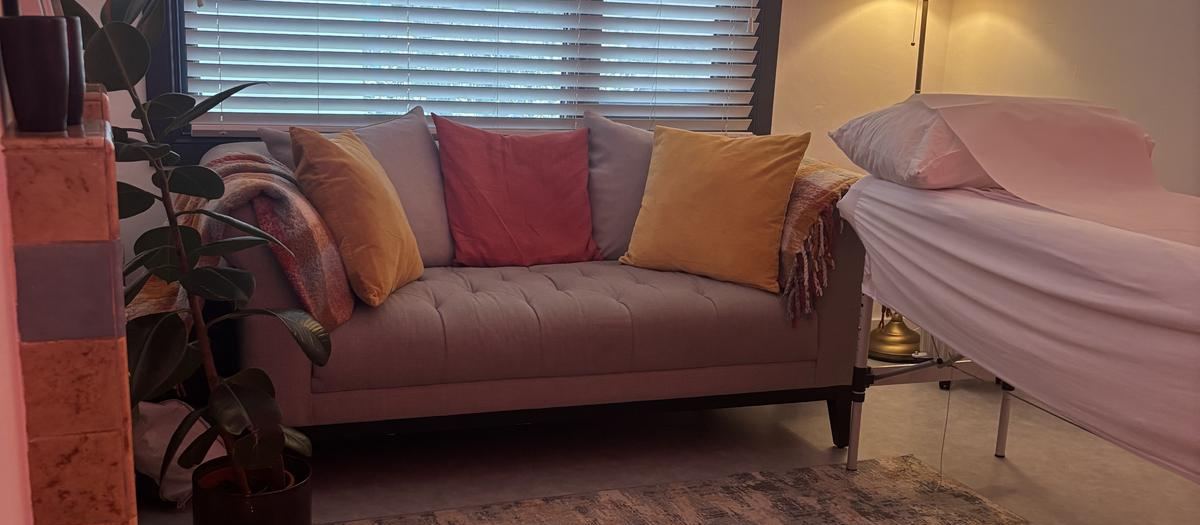
If you’re coming from Drumcondra, Santry, Swords or anywhere else across North Dublin, sessions take place at 256 Swords Road in Whitehall, and back pain is one of the things I see and treat every week.